What to Wear to a Florida Beach Wedding: A Complete Style Guide for Couples and Guests
By Florida Weddings Editorial Team · May 2025 · 10 min read
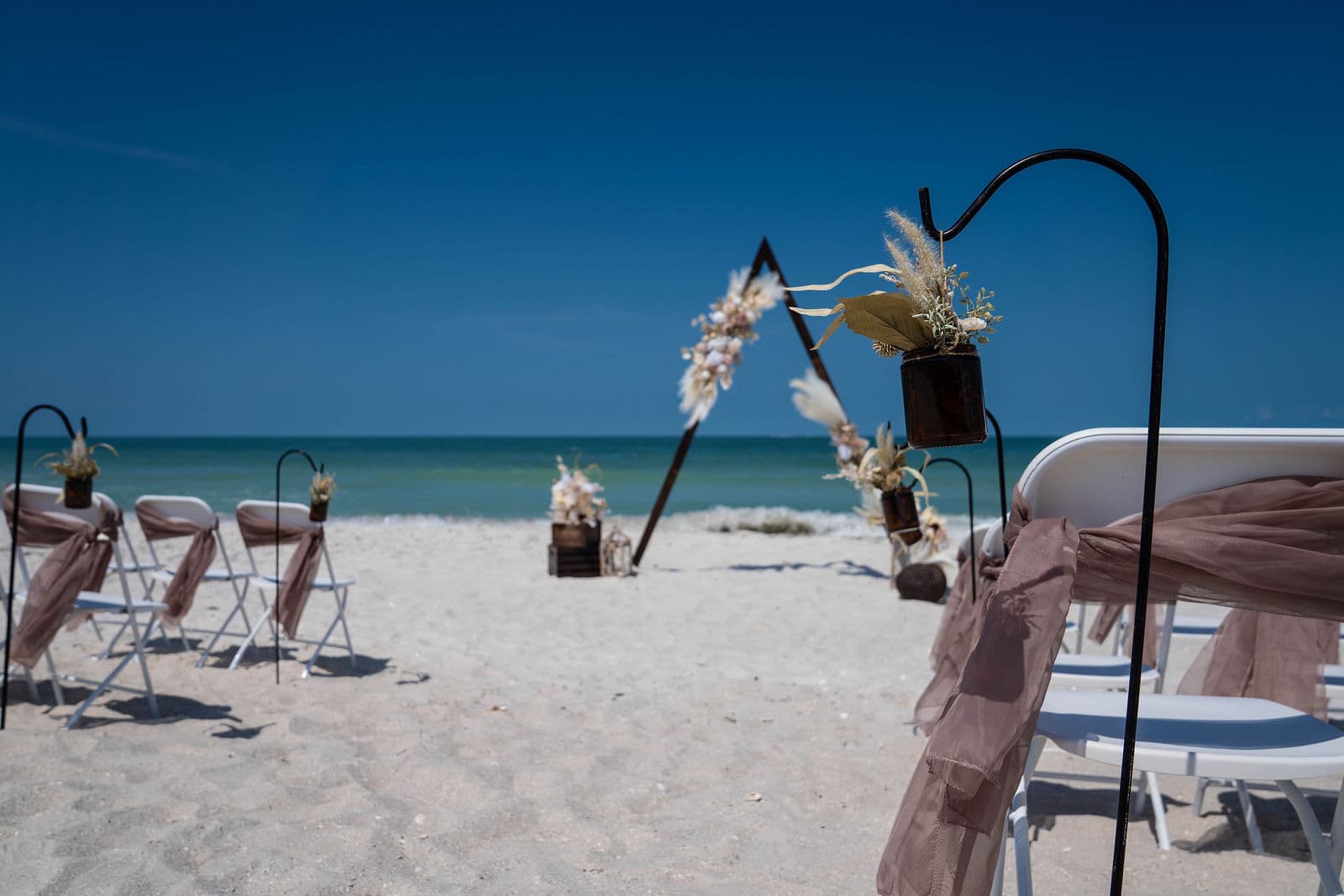
A Florida beach wedding is one of the most joyful settings imaginable — turquoise water, warm Gulf breezes, powdery white sand, and a sunset that does all the decorating for you. But for many couples and guests, the question that lingers longest in the planning process is not where or when. It is what to wear. Beach weddings call for a completely different approach to attire than a ballroom or garden ceremony, and Florida's heat and humidity add another layer of consideration. After 22+ years and 4,000+ ceremonies across every major Florida beach destination, we have seen what works beautifully — and what turns into a sweaty, sand-filled struggle by the cocktail hour. This guide covers everything: the couple's attire, the wedding party, and every category of guest on the list.
Why Beach Wedding Attire Is Different
The rules that govern formal indoor weddings simply do not apply at the water's edge. Thick fabrics trap heat. Stiletto heels sink into sand. Dark suits absorb Florida sun in a way that makes even a mild December afternoon feel like a sauna. The good news: beach-appropriate attire is almost always lighter, more comfortable, and more flattering in natural light than its ballroom counterpart — you just have to know what to reach for.
Florida's beach wedding season spans essentially the entire year, but the cooler months from November through April are the most popular for good reason. Humidity is lower, temperatures are more forgiving, and afternoon heat is far less intense. If your ceremony is scheduled from May through September, fabric weight and breathability become even more critical for everyone in attendance.
- • Brides: Lightweight chiffon, crepe, or lace — A-line or flowing silhouettes work best in the wind
- • Grooms: Linen or tropical-weight wool suits in ivory, tan, light gray, or light blue
- • Bridesmaids: Flowy midi or maxi dresses in dusty rose, sage, seafoam, or warm neutral tones
- • Groomsmen: Linen trousers, button-downs — ties optional, boutonnieres always
- • Guests: Resort casual — sundresses, linen separates, no black, no stilettos
- • Footwear for all: Flat sandals, wedges, or barefoot for the ceremony
The Bride: Gown Silhouettes That Love the Beach
The beach is not the place for a cathedral-length ballgown with a ten-foot train. That does not mean you cannot be breathtakingly beautiful — it means the gown needs to work with the environment, not against it. The most stunning beach brides we have photographed over the years choose gowns in these categories:
Chiffon and crepe are the gold standards for beach ceremonies. Both fabrics move beautifully in the coastal breeze, drape elegantly against the body, and breathe well in Florida's heat. Look for A-line or fit-and-flare silhouettes that allow easy movement across sand without lifting or bunching with every step. Bohemian-influenced gowns with floral lace overlays, off-the-shoulder necklines, and flutter sleeves photograph beautifully in natural light and have become a signature look at Florida's Gulf Coast ceremonies. Minimalist slip gowns in soft satin or crepe offer a more modern, editorial feel that pairs perfectly with the clean horizon lines of Siesta Key or Clearwater Beach.
Train length matters more than most brides expect. A short sweep train or even a tea-length hem eliminates the constant concern of sand gathering in the fabric. If you love the look of a longer train, a detachable option lets you have the aisle moment and then transition comfortably for photos and dancing afterward.
Accessories and hair should account for the wind. Loose, undone styles — braids, soft updos, flowing waves pinned back with clips — hold up far better than precise blowouts. Veils can be beautiful at the beach, but a shorter fingertip or elbow-length veil with a comb anchor in front will survive the breeze better than a cathedral-length piece. Delicate floral crowns and crystal-encrusted hairpins look stunning in coastal light and require no pinning strategy.
The Groom: Light Suits and Relaxed Elegance
The era of wearing a traditional black tuxedo to a beach wedding is well behind us — and grooms are better for it. Florida beach weddings call for lighter fabrics, lighter colors, and a silhouette that signals relaxed confidence rather than boardroom formality.
Linen is the undisputed king of beach wedding suiting. It breathes exceptionally well, wrinkles in a way that looks intentional rather than careless in outdoor settings, and comes in the sand-washed neutrals — ivory, linen white, light tan, chambray blue — that look effortlessly right against a coastal backdrop. A linen suit in ivory or oatmeal paired with a crisp white linen shirt (open collar, no tie) is one of the most consistently elegant looks at Anna Maria Island or Fort Myers Beach ceremonies.
Tropical-weight wool and cotton-linen blends offer a slightly more structured look for grooms who want the formality of a traditional suit with beach-friendly breathability. Light gray, slate blue, and warm khaki work beautifully in Florida's natural light. Suspenders instead of a belt add a charming, editorial touch that photographs well.
Footwear: Leather loafers or simple leather sandals in tan or white are the most common choice. Going barefoot for the ceremony and switching to loafers for the reception is a practical move many grooms make. Avoid lace-up oxfords — sand finds its way in immediately, and the style reads as slightly incongruous against the coastline.
The Wedding Party: Color Palettes That Shine in Coastal Light
Florida's Gulf and Atlantic coastlines are saturated with color — deep teal water, powder-white sand, vivid blue sky. Your wedding party's palette should complement, not compete with, that backdrop. The palettes we see photograph best at Florida beach ceremonies:
For bridesmaids: Dusty rose, sage green, terracotta, seafoam, warm coral, and champagne all photograph beautifully in coastal natural light. Avoid stark white (which can clash with the bride) and very dark or saturated colors that absorb heat and look heavy against a bright beach background. Flowing midi or maxi dresses in chiffon or georgette allow bridesmaids to move easily across sand while maintaining a cohesive, polished look. Mismatched bridesmaid dresses in the same color family are a popular choice that allows each person to choose a silhouette that flatters their body.
For groomsmen: Match the groom's fabric approach. Linen trousers in the same or complementary shade to the groom's suit, paired with linen or light chambray button-downs in white or pale blue. Rolled sleeves for the ceremony feel intentionally casual and work perfectly in Florida's heat. Boutonnieres should be simple — a single tropical bloom, succulents, or a small sprig of greenery reads well in photographs.
Dress Code Wording for Your Invitation
Guests genuinely appreciate specific direction for beach weddings — "cocktail attire" means very different things to different people, and the last thing you want is Great-Uncle Dave showing up in a black tuxedo or flip-flops. Clear dress code language helps everyone feel comfortable and appropriate. Consider one of these phrasings on your invitation suite:
- "Beach Formal" — Elegant but sand-ready. Flowing gowns, dressy jumpsuits, linen suits. No stilettos.
- "Resort Casual" — Sundresses, linen separates, breezy but polished. Think upscale vacation-ready.
- "Tropical Chic" — Light, colorful, and joyful. Encourages bold prints, floral patterns, and festive tropical tones.
- "Barefoot Elegant" — Signals that shoes are optional and the tone is relaxed and romantic.
Whatever wording you choose, add a short note indicating the ceremony will be outdoors on the beach — reminding guests to bring or wear footwear they can remove helps enormously.
What Guests Should (and Should Not) Wear
Guests who have never attended a beach wedding often default to what they know — business casual, cocktail dresses, or dark suits. Here is a straightforward guide to share or incorporate into your wedding website:
Great choices for women: Flowy maxi or midi dresses in prints or soft solids, elegant jumpsuits, linen or cotton skirt-and-blouse combinations. Wedge sandals and block heels work on sand; stilettos do not. Flat sandals and strappy slides are perfectly elegant for beach settings.
Great choices for men: Linen or cotton trousers in khaki, beige, or light blue paired with a tucked-in button-down or light blazer. A well-fitted polo in a neutral or pastel tone is acceptable for resort casual weddings. Skip the tie unless the dress code specifically requests it.
Things to avoid: All-black outfits (absorb heat and read as somber in beach photos), very dark navy or charcoal suits, spike heels, platform shoes, anything requiring dry cleaning, and heavy formal gowns in stiff fabrics. White and off-white are traditionally reserved for the bride.
Practical extras worth mentioning to guests: Sunglasses, a small clutch or beach bag for sunscreen and personal items, and a light wrap or shawl for evening ceremonies when the breeze picks up. Many couples include a small card or wedding website note suggesting guests bring comfortable sandals to change into after the ceremony.
Seasonal Adjustments by Month
Florida's weather shapes attire decisions in meaningful ways depending on when you get married. A December or January wedding on Siesta Key might see temperatures in the low 70s — comfortable enough for slightly more structured fabrics, a light blazer at the reception, or a long-sleeved lace gown without overheating. A June wedding in Fort Lauderdale calls for the absolute lightest-weight fabrics, open necklines, and reminding guests to hydrate.
- November–February: Comfortable 68–76°F range. Slightly more fabric flexibility. Evening ceremonies may call for a light wrap.
- March–May: Warmer mornings, hot afternoons. Stick to lightweight fabrics. Schedule ceremony for early morning or golden hour evening.
- June–September: Peak heat and humidity. Maximum breathability required. Early morning ceremonies are strongly recommended.
- October: Transitional — still warm but more comfortable. Humidity begins to ease. One of our favorite months for beach ceremonies.
Our planning team discusses timing and seasonal conditions with every couple during the initial consultation — it is one of the most practical early decisions that shapes everything else, including attire. Learn more about how we approach planning in our FAQ section.
A Note on Photos: How Attire Affects Your Gallery
Beach wedding photography is almost always stunning — golden-hour light, ocean backdrops, and candid emotional moments combine in ways that no indoor setting can replicate. But attire choices do affect how your photos look. Light, flowing fabrics catch the breeze and create movement in images. Soft, muted, or warm-toned palettes complement Florida's natural color palette rather than clashing with it. Overly formal or dark outfits can look visually heavy against the brightness of white sand and water.
Our experienced photographers — included in many of our wedding packages — are skilled at working with beach light at every time of day. Scheduling your ceremony during the golden hour (roughly 60–90 minutes before sunset) gives you the warmest, most flattering natural light regardless of what you and your guests are wearing.
Ready to Start Planning Your Florida Beach Wedding?
Now that you know what to wear, the next step is making sure every other detail comes together just as beautifully. Florida Weddings has planned 4,000+ ceremonies across Anna Maria Island, Siesta Key, Clearwater, Fort Myers, Navarre Beach, and every major Gulf and Atlantic destination in between. Our packages include officiant services, photography, flowers, beach setup, and full coordination — everything you need for a ceremony that feels effortless.
Explore our wedding packages to find the right fit for your vision and budget, or contact our team today to check availability for your date. We would love to help you plan the beach wedding you have always imagined — from the first vendor call to the last grain of sand between your toes.
About the Author
With over 22 years of experience and 5,200+ beach ceremonies across Florida, our editorial team shares first-hand planning insights.
Related Posts
Florida Beach Wedding Permit Guide: What Every County Requires
Everything you need to know about beach wedding permits in Florida — by county. Fees, timelines, restrictions, and how Florida Weddings handles it all for you.
Read More
Florida Beach Wedding Flowers Guide: The Best Blooms for a Coastal Ceremony
Discover which flowers thrive in Florida's heat and salt air. Expert tips on tropical arrangements, bouquet styles, and coastal floral design for your beach wedding.
Read More
Florida Beach Wedding Guest Experience Guide: Where to Stay, Eat & Explore Near Every Destination
Help your wedding guests make the most of Florida. Insider tips on where to stay, dine, and explore near Siesta Key, Anna Maria Island, Clearwater, and more.
Read MoreContinue Planning
Explore wedding package pricing, top Florida destinations, and side-by-side package comparisons.